
Why going analog still matters in project and program management

Why going analog still matters in project and program management

analog

Sammye brings a unique blend of cross-industry expertise to her role as Program Manager at IA. During her career, Sammye has developed a keen understanding of business operations, technology and organization development. Sammye worked for a number of years at Cherokee Nation, where she led critical IT implementation initiatives and program management efforts.

Project Execution

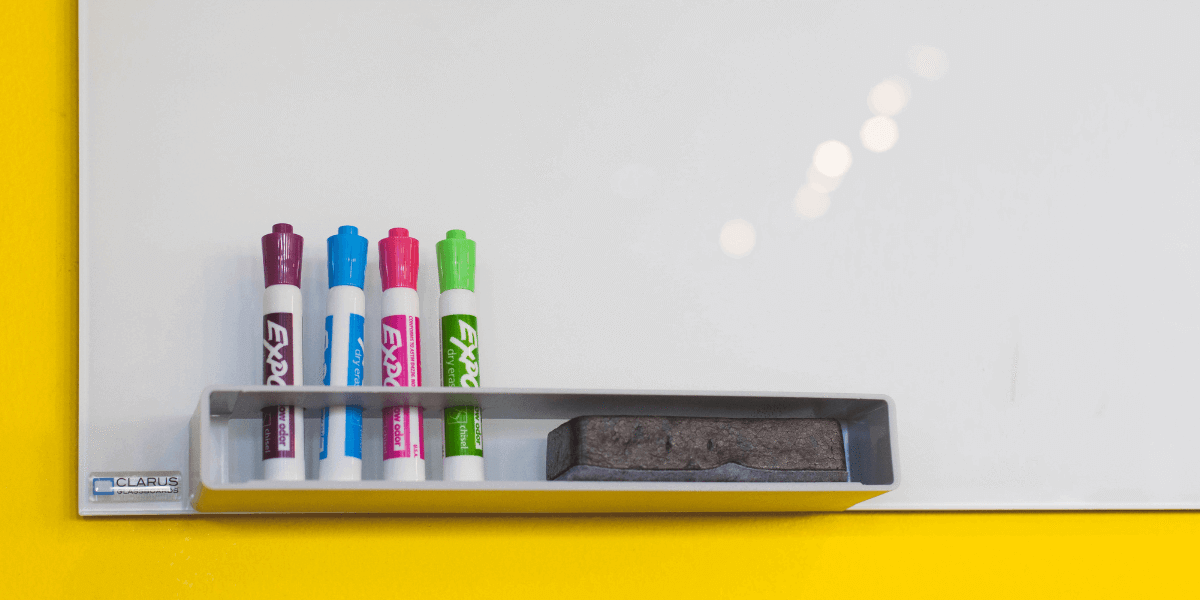
As workers in a modern society embracing technology, we are surrounded by dashboards, collaboration tools, AI copilots, and beautifully polished slide decks. So it might seem a little surprising to make a case for something as simple as a whiteboard.

But some of the most effective project and program sessions I’ve led recently didn’t revolve around slides at all. They centered on real-time whiteboarding, sketching roadmaps by hand, and building the story with the group instead of presenting a finished one.

The difference was noticeable: more engagement, sharper conversations, and stronger alignment.

There’s a takeaway in that for project and program leaders. Digital tools are essential for scale and documentation. But hands-on, analog practices often create the clarity, collaboration, and shared ownership that polished decks alone can’t.

Why Analog Works

From a facilitation standpoint, analog techniques shift a session from passive consumption to active co-creation.

Slide decks are linear and fixed. They guide people down a path you’ve already mapped. Whiteboards are emergent. They invite people to help draw the map. I see this play out time and again when working with teams. With a deck, stakeholders tend to evaluate. With a whiteboard, they contribute.

Whiteboarding a strategy planning session, for example, forces the conversation to unfold in real time. Assumptions become visible. Dependencies get drawn and redrawn. Priorities are negotiated in the open. The artifact on the wall becomes our thinking, not my thinking.

There’s also something powerful about the friction of writing by hand. You can’t capture every word, so you capture what matters. That forced synthesis sharpens clarity for everyone.

For program managers operating in complex environments with multiple workstreams, cross-functional dependencies, and competing priorities, this kind of shared visualization is invaluable. It accelerates alignment and reduces the risk of misinterpretation downstream.

Simple Ways to Bring More Analog Into Your Sessions

If you want to experiment with this approach, you don’t need to overhaul your process. Start small.

  1. Try “board first,” not “deck first.” Open your next roadmap or strategy session with a blank board and a guiding question:“What outcomes must this program deliver in the next two quarters?” Build the structure live instead of revealing it slide by slide.
  2. Make dependencies physical. Use sticky notes for initiatives, milestones, and risks. Move them as relationships emerge. When people physically see trade-offs, the conversation changes.
  3. Keep a visible decision log. Reserve space on the board for decisions made in the room. Writing them publicly increases commitment and reduces later revisionism.
  4. Use silent writing before open discussion. Ask participants to write their top risks or priorities before anyone speaks. This reduces anchoring and gives quieter voices equal weight.
  5. Present from what you created together. When you summarize, stand at the board. Reference the work the group built. It carries a different kind of credibility than clicking through slides.

These techniques are simple, but they fundamentally shift people from audience members to collaborators.

What About Remote and Hybrid Teams?

The pushback I hear most often: “That’s great, but we’re hybrid. We can’t go analog.”

The answer is not to abandon the philosophy, but to adapt it. The core principle of going analog is not the physical board itself. It is co-creation, visibility of thinking, and tactile engagement. Those outcomes can still be engineered in virtual settings.

Here’s how:

  • Start with a blank Miro or Mural board instead of a finished one.
  • Ask participants to add their own virtual sticky notes instead of typing everything yourself.
  • Time-box silent contribution before discussion to reduce groupthink.
  • Narrate your thinking as you sketch frameworks live.
  • Revisit prior boards to reinforce continuity across program increments.

In hybrid settings, consider assigning a co-facilitator whose sole job is to represent remote participants. Equal influence doesn’t happen by accident.

When Analog Is Most Effective

I’ve found these techniques especially powerful for situations such as strategy definition and refinement, early-stage program scoping, risk identification and mitigation planning, cross-functional alignment workshops, and retrospectives.

For purely informational updates or executive reporting, a tightly constructed slide deck may still be the right choice. This isn’t about abandoning digital tools. It’s about choosing the right tool for the outcome you want.

The Leadership Signal

There is a subtle leadership signal when you step away from a heavily scripted deck and build the narrative in real time.

It communicates confidence. It shows openness. It makes it clear that the outcome isn’t predetermined, that stakeholder input genuinely shapes direction. In environments where change fatigue is real and disengagement is common, that signal matters.

Digital transformation doesn’t require us to abandon tactile, human-centered practices. If anything, as our tools become more sophisticated, the differentiator is how we facilitate thinking — not how polished our slides look.

Going analog isn’t nostalgia.

It’s intentional design for engagement.

And in project and program management, engagement is often the difference between compliance and real commitment.

Share this post

FacebookTwitterLinkedInEmail

Leave a Comment

Your email address will not be published. Required fields are marked *

analog

Sammye Walton

Project Execution

FacebookTwitterLinkedInEmail

As workers in a modern society embracing technology, we are surrounded by dashboards, collaboration tools, AI copilots, and beautifully polished slide decks. So it might seem a little surprising to make a case for something as simple as a whiteboard.

But some of the most effective project and program sessions I’ve led recently didn’t revolve around slides at all. They centered on real-time whiteboarding, sketching roadmaps by hand, and building the story with the group instead of presenting a finished one.

The difference was noticeable: more engagement, sharper conversations, and stronger alignment.

There’s a takeaway in that for project and program leaders. Digital tools are essential for scale and documentation. But hands-on, analog practices often create the clarity, collaboration, and shared ownership that polished decks alone can’t.

Why Analog Works

From a facilitation standpoint, analog techniques shift a session from passive consumption to active co-creation.

Slide decks are linear and fixed. They guide people down a path you’ve already mapped. Whiteboards are emergent. They invite people to help draw the map. I see this play out time and again when working with teams. With a deck, stakeholders tend to evaluate. With a whiteboard, they contribute.

Whiteboarding a strategy planning session, for example, forces the conversation to unfold in real time. Assumptions become visible. Dependencies get drawn and redrawn. Priorities are negotiated in the open. The artifact on the wall becomes our thinking, not my thinking.

There’s also something powerful about the friction of writing by hand. You can’t capture every word, so you capture what matters. That forced synthesis sharpens clarity for everyone.

For program managers operating in complex environments with multiple workstreams, cross-functional dependencies, and competing priorities, this kind of shared visualization is invaluable. It accelerates alignment and reduces the risk of misinterpretation downstream.

Simple Ways to Bring More Analog Into Your Sessions

If you want to experiment with this approach, you don’t need to overhaul your process. Start small.

  1. Try “board first,” not “deck first.” Open your next roadmap or strategy session with a blank board and a guiding question:“What outcomes must this program deliver in the next two quarters?” Build the structure live instead of revealing it slide by slide.
  2. Make dependencies physical. Use sticky notes for initiatives, milestones, and risks. Move them as relationships emerge. When people physically see trade-offs, the conversation changes.
  3. Keep a visible decision log. Reserve space on the board for decisions made in the room. Writing them publicly increases commitment and reduces later revisionism.
  4. Use silent writing before open discussion. Ask participants to write their top risks or priorities before anyone speaks. This reduces anchoring and gives quieter voices equal weight.
  5. Present from what you created together. When you summarize, stand at the board. Reference the work the group built. It carries a different kind of credibility than clicking through slides.

These techniques are simple, but they fundamentally shift people from audience members to collaborators.

What About Remote and Hybrid Teams?

The pushback I hear most often: “That’s great, but we’re hybrid. We can’t go analog.”

The answer is not to abandon the philosophy, but to adapt it. The core principle of going analog is not the physical board itself. It is co-creation, visibility of thinking, and tactile engagement. Those outcomes can still be engineered in virtual settings.

Here’s how:

  • Start with a blank Miro or Mural board instead of a finished one.
  • Ask participants to add their own virtual sticky notes instead of typing everything yourself.
  • Time-box silent contribution before discussion to reduce groupthink.
  • Narrate your thinking as you sketch frameworks live.
  • Revisit prior boards to reinforce continuity across program increments.

In hybrid settings, consider assigning a co-facilitator whose sole job is to represent remote participants. Equal influence doesn’t happen by accident.

When Analog Is Most Effective

I’ve found these techniques especially powerful for situations such as strategy definition and refinement, early-stage program scoping, risk identification and mitigation planning, cross-functional alignment workshops, and retrospectives.

For purely informational updates or executive reporting, a tightly constructed slide deck may still be the right choice. This isn’t about abandoning digital tools. It’s about choosing the right tool for the outcome you want.

The Leadership Signal

There is a subtle leadership signal when you step away from a heavily scripted deck and build the narrative in real time.

It communicates confidence. It shows openness. It makes it clear that the outcome isn’t predetermined, that stakeholder input genuinely shapes direction. In environments where change fatigue is real and disengagement is common, that signal matters.

Digital transformation doesn’t require us to abandon tactile, human-centered practices. If anything, as our tools become more sophisticated, the differentiator is how we facilitate thinking — not how polished our slides look.

Going analog isn’t nostalgia.

It’s intentional design for engagement.

And in project and program management, engagement is often the difference between compliance and real commitment.

Leave a Comment

Your email address will not be published. Required fields are marked *

Check out a few other IA articles