
PMO is managing the plan, but is anyone managing change?

PMO is managing the plan, but is anyone managing change?

no change

Sammye brings a unique blend of cross-industry expertise to her role as Program Manager at IA. During her career, Sammye has developed a keen understanding of business operations, technology and organization development. Sammye worked for a number of years at Cherokee Nation, where she led critical IT implementation initiatives and program management efforts.

Project Execution

You can run a project exactly as designed and still miss the outcome that mattered most.

I’ve seen it happen. The milestones are met. The steering committee gets regular updates. The RAID log is current, the budget is under control, and the rollout goes live right on schedule. On paper, everything looks right. And yet the business still struggles to realize the value it expected. Teams resist new ways of working. Leaders don’t reinforce the change. Adoption lags. Benefits stall.

That gap between delivery and realization is exactly why project management and change management cannot be treated as the same thing.

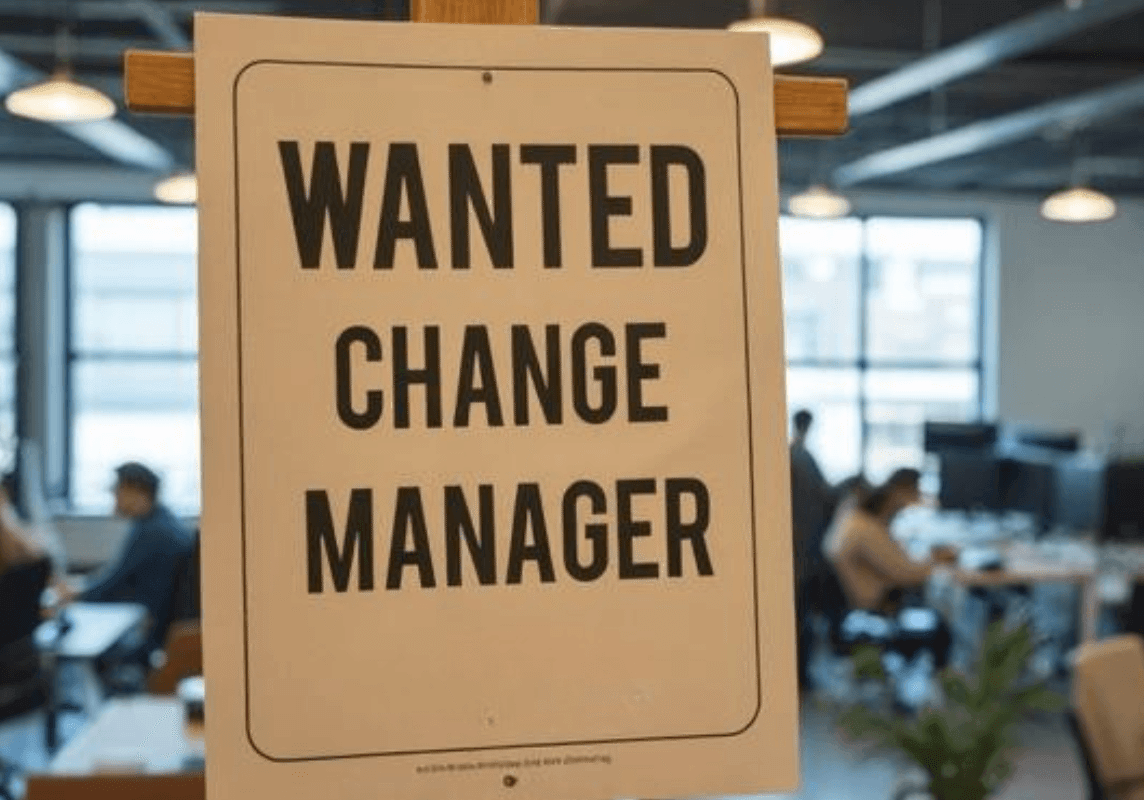
Which brings me to a question I find myself asking more often than I’d like: while the PMO is managing the plan, is anyone managing the change?

The PMO does its job…which is part of the problem

In many organizations, the PMO is the engine of structure. It brings governance, transparency, consistency, and execution discipline – work that is genuinely essential. A strong PMO helps teams move from ideas to delivery with far more control and much less chaos.

But by design, PMOs center on scope, schedule, budget, risk, dependencies, and reporting. Those are delivery mechanics. They are necessary, and they are not the whole picture.

A project plan can confirm that a system has been configured, tested, and deployed. It can show that communications were sent and training was completed. But those outputs don’t guarantee that the organization is ready; that managers know how to lead through the transition, or that employees will actually use the new process in the way intended.

A delivered project is not always the same as a successful change.

Where the accountability gap lives

This is the blind spot I see most often. The PMO is doing its job, but the human side of change remains only partially owned.

Sometimes it’s assumed that communication will cover it. Sometimes HR is expected to step in. Sometimes business leaders are told to “bring their teams along,” often with little or no support. And sometimes everyone contributes a little, which usually means no one is truly accountable.

In my experience, that diffusion of ownership is where change efforts quietly die – not dramatically or with a clear failure moment. Just a slow erosion of momentum that no one quite knows how to name or fix.

Making change visible, measurable, and intentional

This is where PMOs have an opportunity they don’t always take.

Even if the PMO does not own formal change management, it can elevate the right questions early: Who is impacted? How significant is the behavior shift? Who is accountable for stakeholder engagement? How will readiness be assessed? What support do managers need? How will adoption be measured after go-live?

These are not “soft” questions. They are delivery questions – especially if the goal is not just launch, but results.

PMOs can also strengthen governance by expanding what success looks like. If steering committees only review schedule, cost, and risk, they’re seeing only part of the picture. A more complete view includes readiness indicators, stakeholder engagement, training effectiveness, sponsor visibility, and early adoption signals. That doesn’t make governance heavier; it makes it more honest. It shifts the conversation from “Did we deliver?” to “Is the business actually moving in the direction we want?”

The good news

Organizations don’t have to choose between strong project management and strong change management. They need both, working together.

A PMO does not have to become a dedicated change function overnight, but it can help ensure change has an owner, that adoption risks are surfaced early, and that business readiness is treated as part of delivery – not an afterthought. That’s where PMOs become most valuable: not just as managers of plans, but as enablers of outcomes.

So yes, the PMO should keep managing the plan. That work is foundational.

But the most effective organizations go one step further. They make the change visible, accountable, and real.

When that happens, projects don’t just finish.

They stick. They scale. They deliver the value they were meant to create.

Share this post

FacebookTwitterLinkedInEmail

Leave a Comment

Your email address will not be published. Required fields are marked *

no change

Sammye Walton

Project Execution

FacebookTwitterLinkedInEmail

You can run a project exactly as designed and still miss the outcome that mattered most.

I’ve seen it happen. The milestones are met. The steering committee gets regular updates. The RAID log is current, the budget is under control, and the rollout goes live right on schedule. On paper, everything looks right. And yet the business still struggles to realize the value it expected. Teams resist new ways of working. Leaders don’t reinforce the change. Adoption lags. Benefits stall.

That gap between delivery and realization is exactly why project management and change management cannot be treated as the same thing.

Which brings me to a question I find myself asking more often than I’d like: while the PMO is managing the plan, is anyone managing the change?

The PMO does its job…which is part of the problem

In many organizations, the PMO is the engine of structure. It brings governance, transparency, consistency, and execution discipline – work that is genuinely essential. A strong PMO helps teams move from ideas to delivery with far more control and much less chaos.

But by design, PMOs center on scope, schedule, budget, risk, dependencies, and reporting. Those are delivery mechanics. They are necessary, and they are not the whole picture.

A project plan can confirm that a system has been configured, tested, and deployed. It can show that communications were sent and training was completed. But those outputs don’t guarantee that the organization is ready; that managers know how to lead through the transition, or that employees will actually use the new process in the way intended.

A delivered project is not always the same as a successful change.

Where the accountability gap lives

This is the blind spot I see most often. The PMO is doing its job, but the human side of change remains only partially owned.

Sometimes it’s assumed that communication will cover it. Sometimes HR is expected to step in. Sometimes business leaders are told to “bring their teams along,” often with little or no support. And sometimes everyone contributes a little, which usually means no one is truly accountable.

In my experience, that diffusion of ownership is where change efforts quietly die – not dramatically or with a clear failure moment. Just a slow erosion of momentum that no one quite knows how to name or fix.

Making change visible, measurable, and intentional

This is where PMOs have an opportunity they don’t always take.

Even if the PMO does not own formal change management, it can elevate the right questions early: Who is impacted? How significant is the behavior shift? Who is accountable for stakeholder engagement? How will readiness be assessed? What support do managers need? How will adoption be measured after go-live?

These are not “soft” questions. They are delivery questions – especially if the goal is not just launch, but results.

PMOs can also strengthen governance by expanding what success looks like. If steering committees only review schedule, cost, and risk, they’re seeing only part of the picture. A more complete view includes readiness indicators, stakeholder engagement, training effectiveness, sponsor visibility, and early adoption signals. That doesn’t make governance heavier; it makes it more honest. It shifts the conversation from “Did we deliver?” to “Is the business actually moving in the direction we want?”

The good news

Organizations don’t have to choose between strong project management and strong change management. They need both, working together.

A PMO does not have to become a dedicated change function overnight, but it can help ensure change has an owner, that adoption risks are surfaced early, and that business readiness is treated as part of delivery – not an afterthought. That’s where PMOs become most valuable: not just as managers of plans, but as enablers of outcomes.

So yes, the PMO should keep managing the plan. That work is foundational.

But the most effective organizations go one step further. They make the change visible, accountable, and real.

When that happens, projects don’t just finish.

They stick. They scale. They deliver the value they were meant to create.

Leave a Comment

Your email address will not be published. Required fields are marked *

Check out a few other IA articles